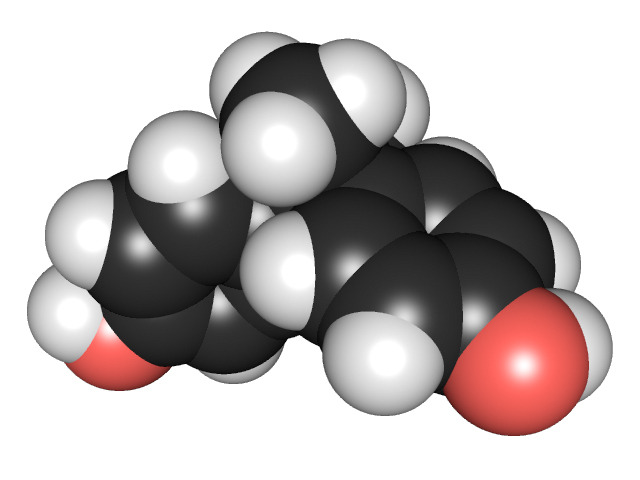
New organ culture system reveals effects of BPA exposure on fetal mammary glands
A
new organ culture system developed by scientists from Tufts University
School of Medicine now enables tests of the direct effects of chemical
exposure, including estrogen and estrogen-like substances, on developing
fetal mouse mammary tissue. Previous laboratory models could only
measure the joint effect of chemicals and maternal estrogen.
Analyses of the
initial chemical investigated—bisphenol-A (BPA), an estrogen-like
compound found in plastics, including food and beverage
containers—revealed that BPA significantly and directly increased tissue
growth in the absence of natural estrogens, when given at doses
comparable to that of human exposure to BPA. Prior research in animal
models has suggested that changes in fetal mammary tissue may be linked
to increased risk of breast cancer in adulthood.The study was published in Scientific Reports on Jan. 19.
“Our findings show that BPA, given at low doses, acts directly on the
fetal mammary gland and causes similar effects observed in other animal
model studies,” said senior study author Ana Soto, M.D., professor in
the Department of Integrative Physiology and Pathobiology at TUSM.
“Because these very low, environmentally relevant levels of BPA directly
affect mammary gland development, this in turn may increase the
propensity to develop cancer during adult life.”Lucia Speroni et al,
New insights into fetal mammary gland morphogenesis: differential
effects of natural and environmental estrogens, Scientific Reports (2017). DOI: 10.1038/srep408063D chemical structure of bisphenol A. Credit: Edgar181 via Wikimedia Commons
 EY FATTY BOOM BOOM