These grey-headed flying foxes look like a boy band when you flip the image, and we seriously can’t deal. 💃 📷: hkh25/Reddit #science #bats #boyband #sciencealert http://ift.tt/2ezZN5s
People looking for proof that men and women
learn, speak, solve problems or read maps differently often think brain
scanners are the ultimate answer. And it’s easy to see why. Whether you
want to advocate separate schools for girls and boys or sex-segregated
training of our armed forces, you can be sure to find brightly
colour-coded maps highlighting differences between males and females in
various brain areas – potentially backing up your argument.
The power of “neuro” has been firmly harnessed in the ongoing debate about the differences between men and women.
Enthusiastic references to “cutting edge neuroscience” are constantly
used by people making assumptions about sex differences – ranging from
marketers to politicians and pressure groups.
The idea that the brain
is responsible for sex/gender differences or imbalances has been with
us for a long time. In the 18th century, scientists discovered that
women’s brains weigh on average five ounces less than men’s
– something that was immediately interpreted as a sign of inferiority.
Since then, women’s brains have continued to be be weighed, measured and
found wanting. This has been underpinned by a belief in “biological
determinism” – the idea that biological differences reflect the natural order of things, to be meddled with at society’s peril.
Unfortunately, this is still happening today. “Neurosexism”
is the practice of claiming that there are fixed differences between
female and male brains, which can explain women’s inferiority or
unsuitability for certain roles. By spotting sex-dependent activity in
certain brain regions – such as those associated with empathising,
learning languages or spatial processing – neurosexist studies have
allowed an established “go-to list” of sex differences to flourish. This
includes things such as men being more logical and women being better
at languages or nurturing.
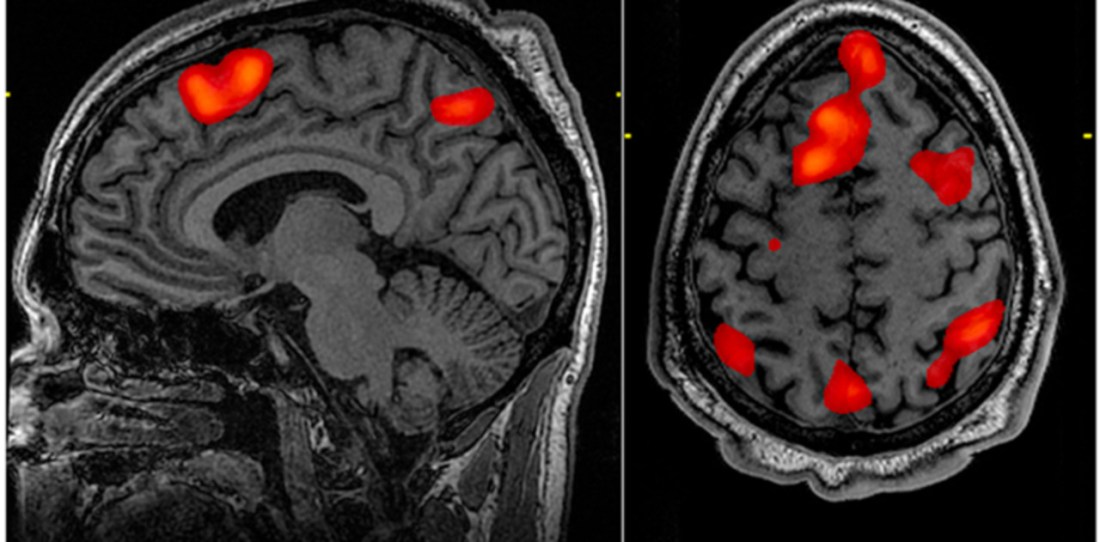
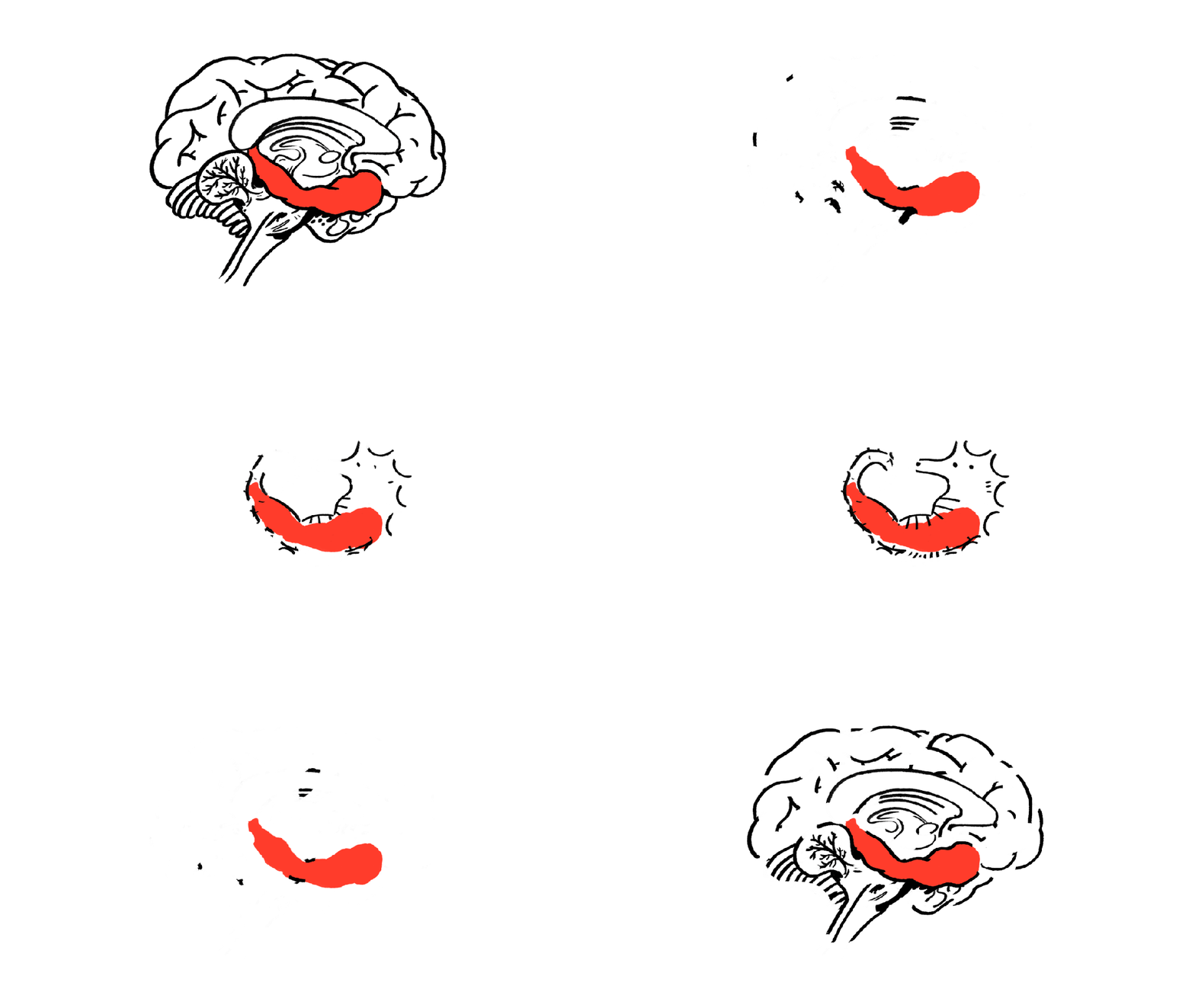
FMRI scan during working memory tasks. Credit: John Graner, Neuroimaging
Department, National Intrepid Center of Excellence, Walter Reed
National Military Medical Center, 8901 Wisconsin Avenue, Bethesda, MD
20889, USA
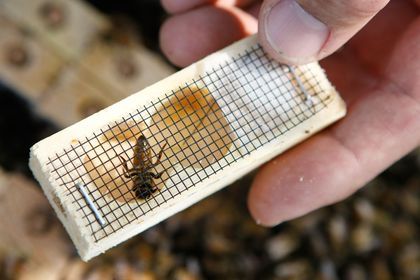
A funny thing about introducing a new queen into a hive that has lost its queen (or one that you’ve killed because her brood was too fighty).
You have to introduce the new queen into the hive with these special queen cages that are stopped up with candy, and are open enough to let the hive smell the new queen, but not open enough that they can get in there and kill her.
Because they will kill her.
When you first put the new queen in she smells like an intruder, but by the time it takes the bees to eat through the candy and free the queen, the queen’s pheromones will have had time to work and the hive will have gotten used to her.
From the outside this kinda seems like:
“Yeh, we were all going to murder you to death before, but we’re full of candy now, so we’re cool. Oh yeh, and how about you be the new queen and stuff. Yeh, that’s cool too.”
beekeeping is really weird
Listen, strange bee queens lyin’ in cages distributin’ candy is no basis for a system of government.
This beautiful cat has sectoral heterochromia, where the iris contains two different colours due to a lack or excess of melanin. 😻😻😻 Complete heterochromia occurs when one iris a totally different colour from the other. It’s most prevalent in cats and dogs, but about 1% of the human population has it too. 📷: raoeang/Imgur #cat #instacute #science #sciencealert http://ift.tt/2gMfW5Y
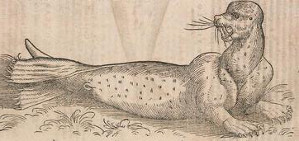
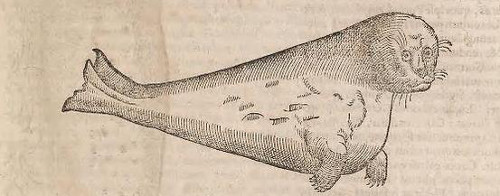
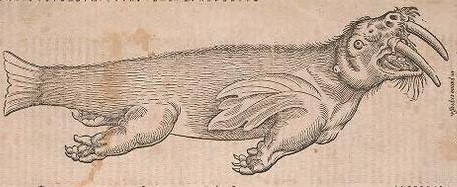
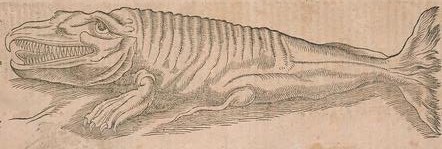
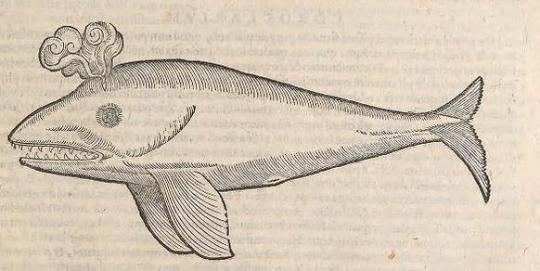
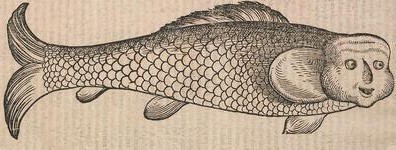
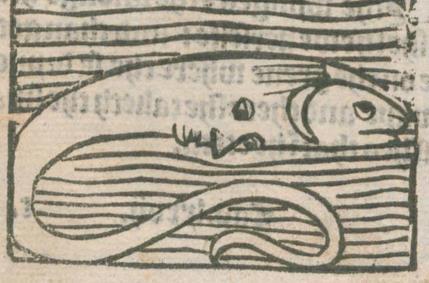
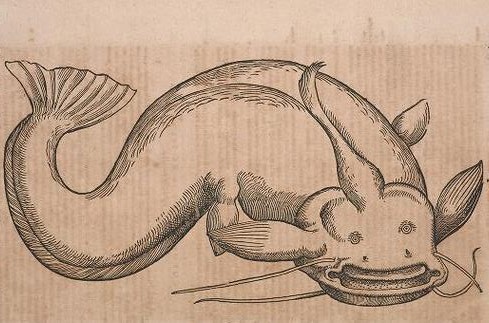
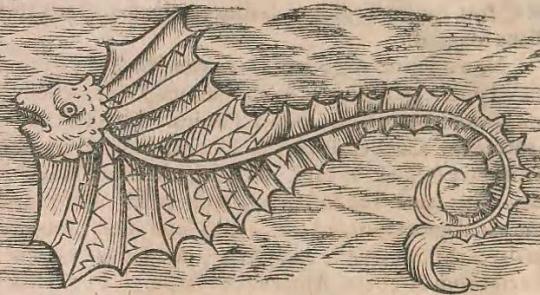
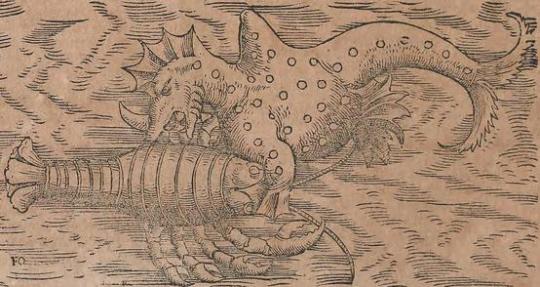
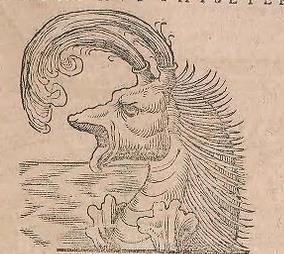
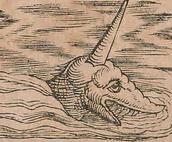
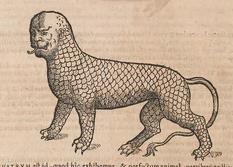
It’s been a while since we checked in on how the Renaissance is doing with its ocean mysteries, so here is a marine biology update circa 1550.
Seals come in two forms:
Buff
& Triangular
Walruses are horrifying
But whales are worse
Fish can have human faces
but not always where you’d expect
As for the rest
… it’s probably better left alone.
[All images except chest face fish from Historiae animalium liber IV : De piscium & aquatilium animantium natura. Chest face fish from The noble lyfe & natures of man of bestes, serpentys, fowles & fisshes yt be moste knowen]
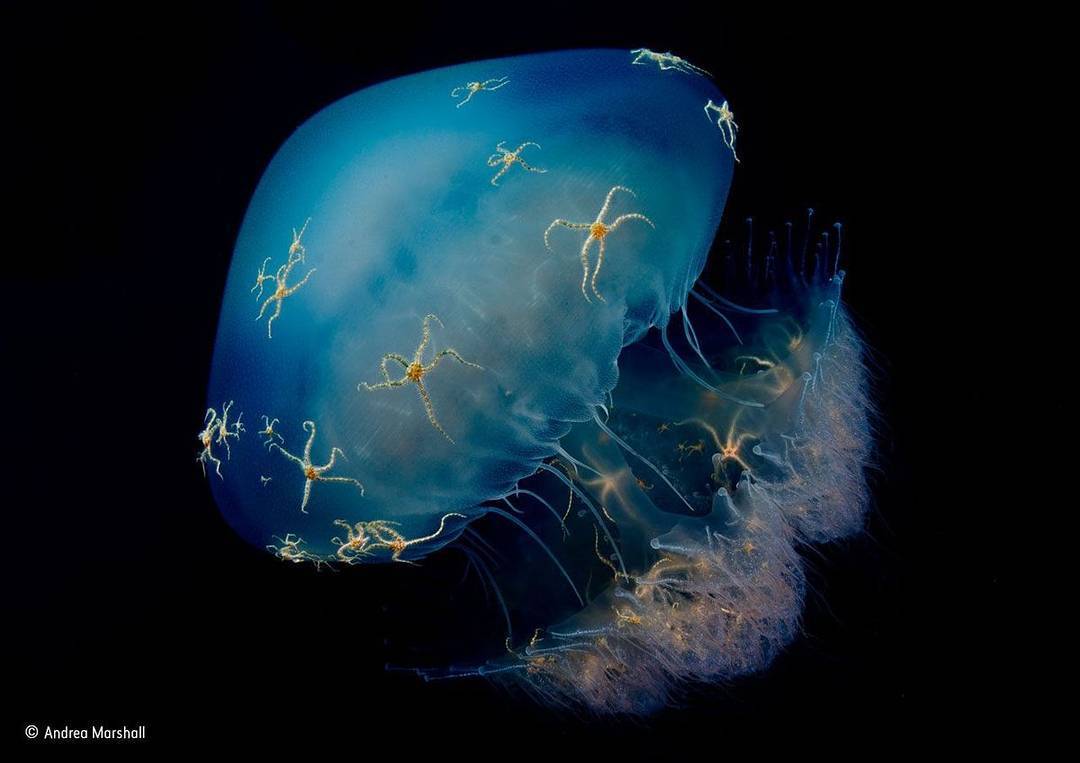
These opportunistic brittle stars are hitching a ride on this jelly fish off the coast of Mozambique. And it looks so cute! This photo, titled “Jelly starburst” was a People’s Choice Award finalist in the Natural History Museum’s Wildlife Photographer of the Year competition. 📷: Andrea Marshall/Wildlife Photographer of the Year #science #sciencealert http://ift.tt/2gw2RgA
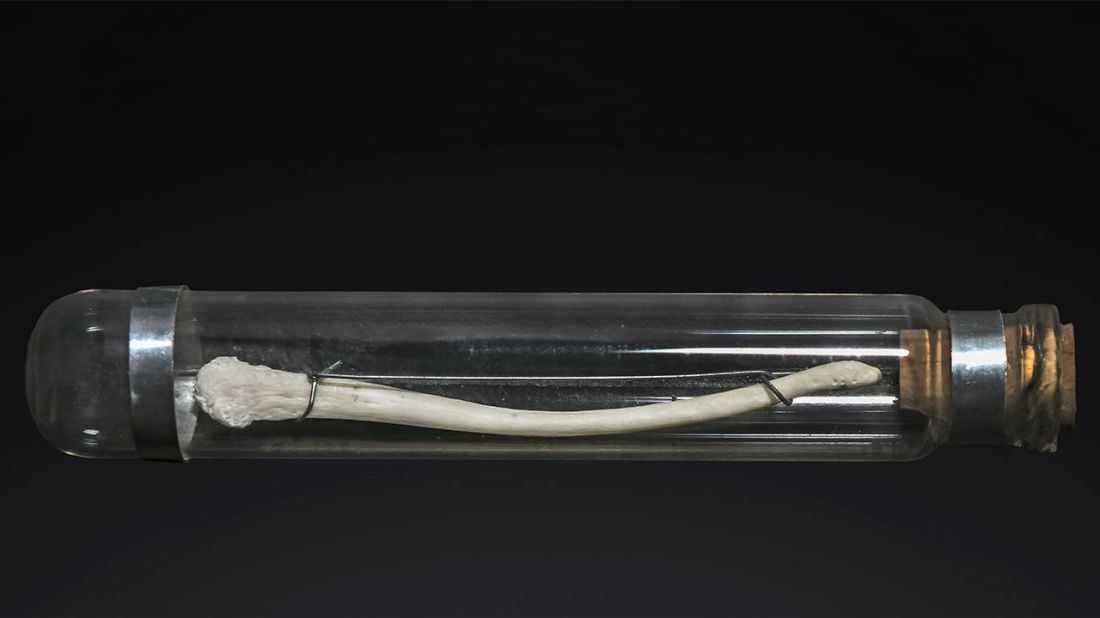
Despite slang terms that imply otherwise, the human penis contains no
bones. The same cannot be said for many of our closest evolutionary
relatives: Chimpanzees and bonobos both have penis bones (a macaque one
is pictured), also known as bacula. To find out why some primates have
the feature whereas others don’t, researchers traced the bone’s
evolutionary history through time. The baculum first evolved between 145
million and 95 million years ago, the team reports online today in the Proceedings of the Royal Society B.
That means it was present in the most recent common ancestor of all
primates and carnivores. Why some descendants, like humans, lost their
bacula appears to be due to differences in mating practices: In primates, the presence of a penis bone was most tightly correlated to increased intromission duration,
The hipbone’s connected to the leg bone, connected to the knee bone.
That’s not actually what those body parts are called, but we’ll forgive
you if you don’t sing about the innominate bone connecting to the femur
connecting to the patella. It just doesn’t have the same ring to it.
When the ancient Greeks were naming body parts, they were probably trying to give them names that were easy to remember, says Mary Fissell,
a professor in the Department of the History of Medicine at Johns
Hopkins. “Sure, there were texts, but the ancient world was very oral,
and the people learning this stuff have to remember it.”
So the Greek scholars, and later Roman and medieval scholars,
named bones and organs and muscles after what they looked like. The
thick bone at the front of your lower leg, the tibia, is named after a
similar-looking flute.
And although you or I might get confused when a paleoanthropologist
writes about the foramen magnum (which translates to “really big hole”) a
native Latin speaker would know exactly what to look for — the really
big hole where your brain attaches to your spine.













 EY FATTY BOOM BOOM