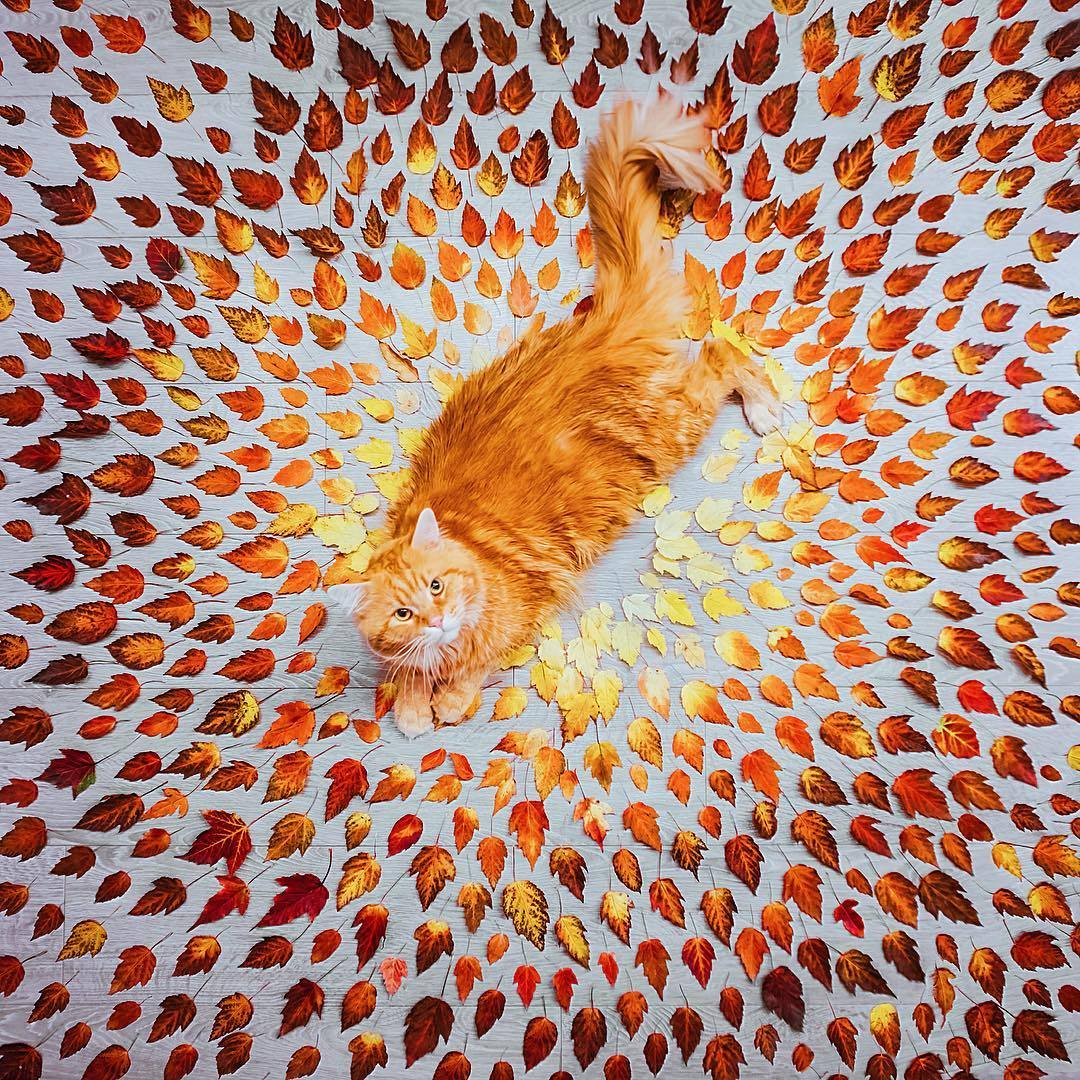
Все краски осени в одном фото [fs’e kraski os’en’i v adnom foto] – All colors of autumn in one photo
He is the Sun Lord
Все краски осени в одном фото [fs’e kraski os’en’i v adnom foto] – All colors of autumn in one photo
He is the Sun Lord
https://vine.co/v/5EXrj9Thn21/embed/simple//platform.vine.co/static/scripts/embed.js
my grandma sent me this video for my birthday and honestly? the best gift i couldve gotten
The Scrub Jay is actually picking up several peanuts and choosing the heaviest one. They’ve done studies and these birds have a very keen sense of weight.

Nicotine Normalizes Brain Activity Deficits That Are Key to Schizophrenia
A steady
stream of nicotine normalizes genetically-induced impairments in brain
activity associated with schizophrenia, according to new research
involving the University of Colorado Boulder. The finding sheds light on
what causes the disease and why those who have it tend to smoke
heavily.Ultimately the authors of the study, released online today in the journal Nature Medicine,
envision their work could lead to new non-addictive, nicotine-based
treatments for some of the 51 million people worldwide who suffer from
the disease.“Our study provides compelling biological evidence that a specific
genetic variant contributes to risk for schizophrenia, defines the
mechanism responsible for the effect and validates that nicotine
improves that deficit,” said Jerry Stitzel, a researcher at the
Institute for Behavioral Genetics (IBG) and one of four CU Boulder
researchers on the study.“Nicotine reverses
hypofrontality in animal models of addiction and schizophrenia” by Fani
Koukouli, Marie Rooy, Dimitrios Tziotis, Kurt A Sailor, Heidi C O’Neill,
Josien Levenga, Mirko Witte, Michael Nilges, Jean-Pierre Changeux,
Charles A Hoeffer, Jerry A Stitzel, Boris S Gutkin, David A DiGregorio
& Uwe Maskos in Nature Medicine. Published online January 239 2017 doi:10.1038/nm.4274Eighty to 90 percent of
people with schizophrenia smoke and most are very heavy smokers, a fact
that has long led researchers to suspect they are self-medicating.
NeuroscienceNews.com image is for illustrative purposes only.
New organ culture system reveals effects of BPA exposure on fetal mammary glands
A
new organ culture system developed by scientists from Tufts University
School of Medicine now enables tests of the direct effects of chemical
exposure, including estrogen and estrogen-like substances, on developing
fetal mouse mammary tissue. Previous laboratory models could only
measure the joint effect of chemicals and maternal estrogen.
Analyses of the
initial chemical investigated—bisphenol-A (BPA), an estrogen-like
compound found in plastics, including food and beverage
containers—revealed that BPA significantly and directly increased tissue
growth in the absence of natural estrogens, when given at doses
comparable to that of human exposure to BPA. Prior research in animal
models has suggested that changes in fetal mammary tissue may be linked
to increased risk of breast cancer in adulthood.The study was published in Scientific Reports on Jan. 19.
“Our findings show that BPA, given at low doses, acts directly on the
fetal mammary gland and causes similar effects observed in other animal
model studies,” said senior study author Ana Soto, M.D., professor in
the Department of Integrative Physiology and Pathobiology at TUSM.
“Because these very low, environmentally relevant levels of BPA directly
affect mammary gland development, this in turn may increase the
propensity to develop cancer during adult life.”Lucia Speroni et al,
New insights into fetal mammary gland morphogenesis: differential
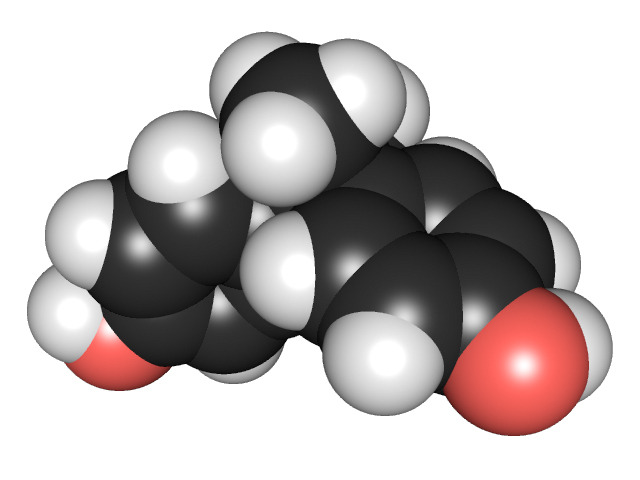
effects of natural and environmental estrogens, Scientific Reports (2017). DOI: 10.1038/srep408063D chemical structure of bisphenol A. Credit: Edgar181 via Wikimedia Commons

Seize the day like a black oystercatcher going after prey. These shorebirds are known to sneak up on open mussels, quickly stab their beaks between the shells, sever the muscle, shake the mussel free and swallow it. How’s that for #MondayMotivation?














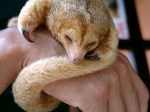

 EY FATTY BOOM BOOM