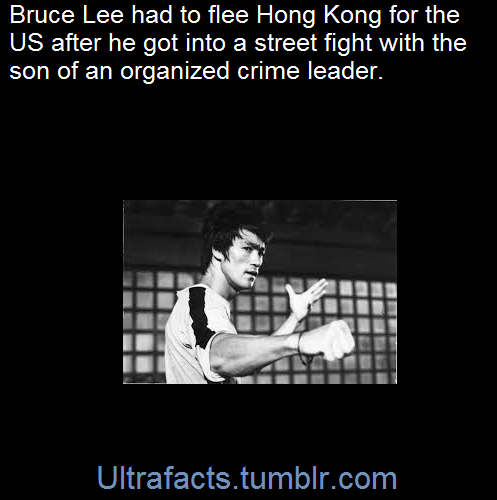
Hong Kong Cha Cha champion. He left withnothing but $100 in his pocket & he gave cha cha lessons to first-class passengers to earn extra money during the ship ride to the US. [x][x]
here’s a fun idea: reblog this with ur favorite science field or topic in the tags
Suppose, for instance, that men were only represented in literature as the lovers of women, and were never the friends of men, soldiers, thinkers, dreamers […] literature would be incredibly impoverished, as indeed literature is impoverished beyond our counting by the doors that have been shut upon women.
“A true pioneer for women in science,” passed away on Wednesday, reported the New York Times. As a DuPont scientist, Stephanie Kwolek is credited for inventing Kevlar in 1964, a fiber that has radically improved police and military body armor since its creation.
Kwolek died at age 90 in hospice care at St. Francis Hospital in Wilmington, Del. She leaves behind a legacy of achievement in science and technology that directly saved an estimated 3,000 lives of police officers over the past four decades.
So recently there was a post (I’m not going to dignify it with a link) claiming that women don’t deserve representation because they haven’t contributed to heroism. We already have a post showing a small sample of the many women have been heroic warriors in the past – now we’d like to showcase a woman who’s protected thousands of heroic warriors.
Not only is Kevlar used in the vast majority of military and paramilitary armors, it also what made discreet bullet armor worn by VIPs, covert operatives and protective services possible. It is truly one of the most important innovations in the history of armor.
Rest in peace Stephanie Kwolek, and thank you for protecting so many.







 EY FATTY BOOM BOOM