Another case of “it would have been nice to know the health risks (or lack of) BEFORE they were marketed and used everywhere. “
FDA has a few questions for makers of hand sanitizer
Federal health officials want to know
whether hand sanitizers used by millions of Americans work as well as
manufacturers claim—and whether there are any health risks to their
growing use.
The Food and
Drug Administration is asking for new studies on how the antiseptic gels
and rubs fight germs and get absorbed into the body, with a particular
focus on children and pregnant women. The proposal unveiled Wednesday is
part of an ongoing government effort to review decades-old chemicals
that have never had a comprehensive federal review.Agency officials stressed that the review “does not mean the FDA believes these products are ineffective or unsafe.”
Hand sanitizers have become nearly ubiquitous over the last 20 years,
offered in workplaces, schools, restaurants and other public spaces to
reduce the spread of germs. Since 2009, about 90 percent of sanitizers
sold to the public have included either ethanol or ethyl alcohol,
according to agency officials.Under current regulations, manufacturers can make broad claims about
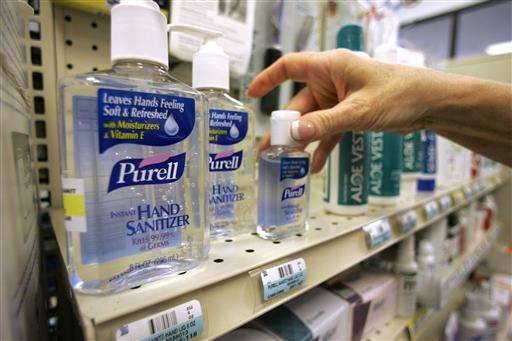
their products’ effectiveness in killing germs. Bottles of Purell hand
sanitizer, for example, say: “Kills 99.99 percent of illness-causing
germs.”FDA regulators suggested they may tighten such claims after reviewing the information submitted by manufacturers.
“We’re not trying to alarm people,” said Dr. Janet Woodcock, director
of the FDA’s drug center. “Obviously ethanol and humans have co-existed
for a long time so there’s a lot that’s known about it.”But the agency has concerns about the possible long-term consequences
of frequent use by children and women of child-bearing age,
particularly those who are pregnant or breast feeding. The agency’s
proposal would require manufacturers to study whether three anti-germ
ingredients—ethanol, alcohol and a type of chloride—show up in blood or
urine after repeated, daily use. That could mean that the chemicals may
be affecting the reproductive system or the production of hormones.Regulators are also concerned about possible links between use of
antiseptic chemicals and the emergence of so-called superbug bacteria,
which are resistant to antibiotics.“We need to get this additional information so if there are
situations where caution is warranted we can label that or inform the
public,” Woodcock said.

 EY FATTY BOOM BOOM