Silent Oceans Threaten World Fish Populations
Current
rates of ocean acidification are silencing oceans, which spells trouble
for marine animals during their larval stage. Fish larvae, for
instance, will not be able to find their way back home, because they use
sound cues to orient themselves, say researchers from the University of
Adelaide.“More
than 95 percent of marine animals have a dispersive larval stage, where
larvae drift with the currents for anywhere from a few days to a year,
before returning to settle in their adult habitat near where they were
spawned,” study co-author Sir Ivan Nagelkerken said in a statement.
“Along with chemical and other cues, because of sound’s ability to
travel long distances underwater, it is used as a navigational beacon by
marine animals, particularly larvae.”The findings were recently published in the journal Biology Letters.
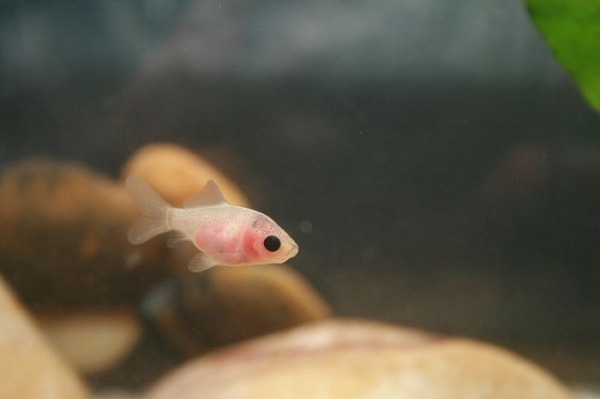
Baby fish rely on auditory cue to find their way back home after large
waves have carried them out to sea. (Photo : Wikimedia Commons )

 EY FATTY BOOM BOOM